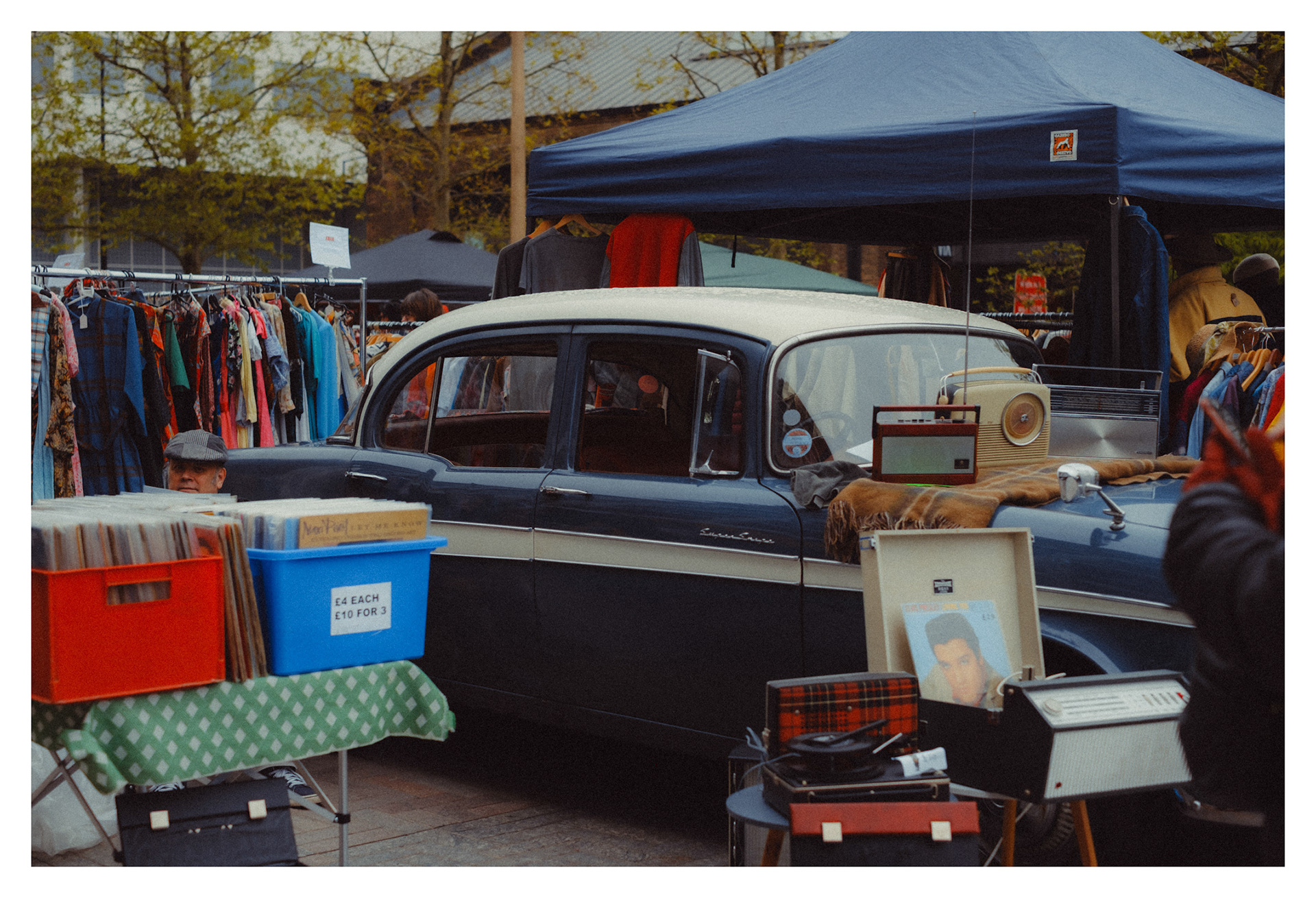
Some projects come to photographer's with specific intent, a pre-planned, creative decision to create a themed body of work over a short or long period of time. This project came to me by a chance, of sorts. A Framelines Community meet in London saw the group head to the famous King's Cross located Vintage Market. Not only was this my first time partaking in a Framelines meet up, but it was my maiden voyage into the world of this Vintage Market. And what a playground it was. A nominal entry fee sends you through an invisible time warp, pulling you from the current day to the early decades of the 1900s.
Immediately feeling a bystander in some kind of interactive play, where characters have their roles and interact with their props with masterful authenticity, you're overwhelmed in the best possible way. As a photographer, I felt like someone has opened up a movie set for public viewing and so I set to work.
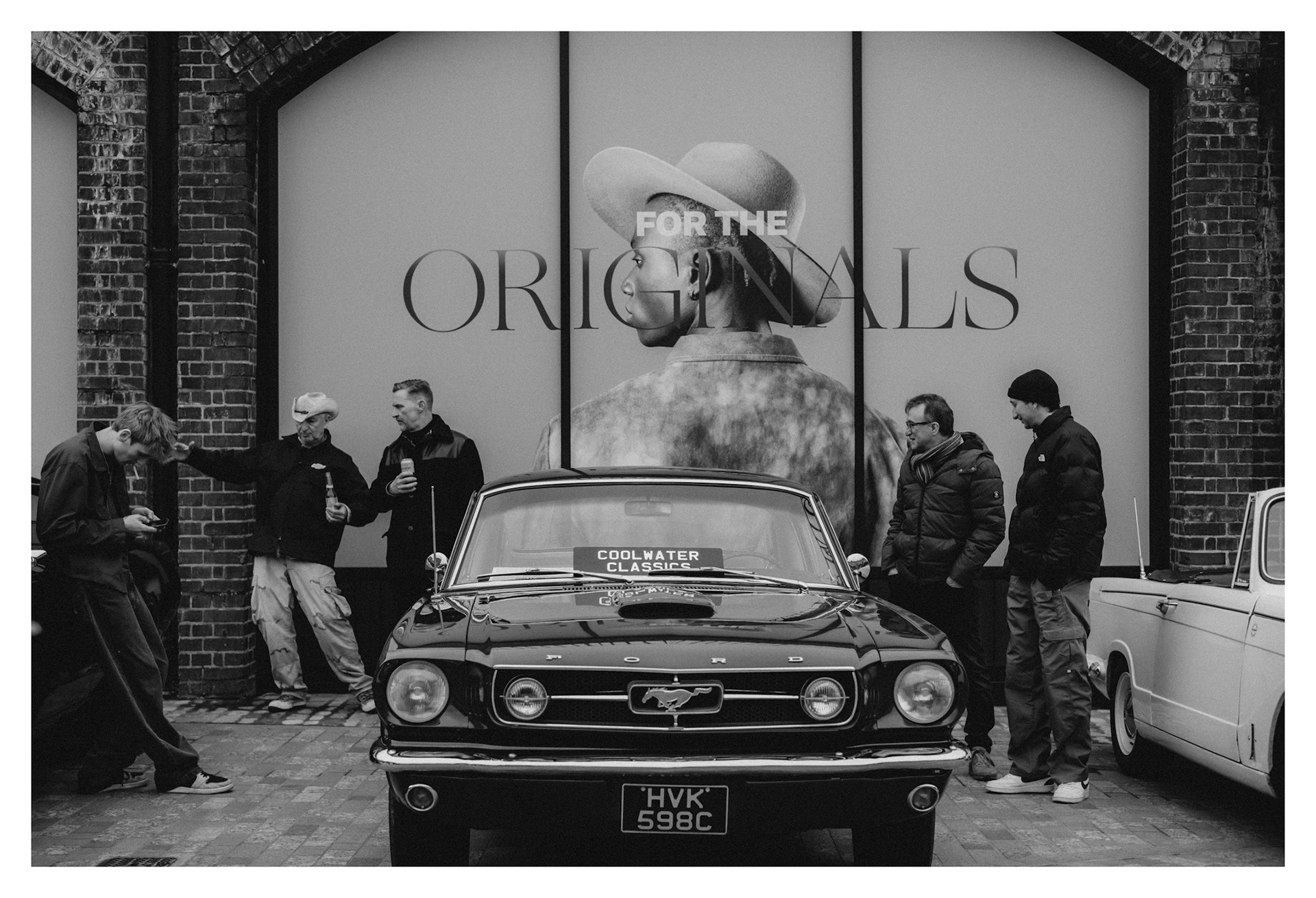
There was much to document for this mini-project, and maybe too much, if that's possible. It would have been easy to snap away, every stall a set from years gone by, every patron a personality, a leading role in a film from the Golden Age, but doing so would lose the consideration this deserved. So I took a beat. Took a moment. To focus, to assess. To consider what I wanted to capture. The answer was a mixture of wanting to capture the character, that feeling, of the surroundings while ensuring it didn't miss the small details that added so much.
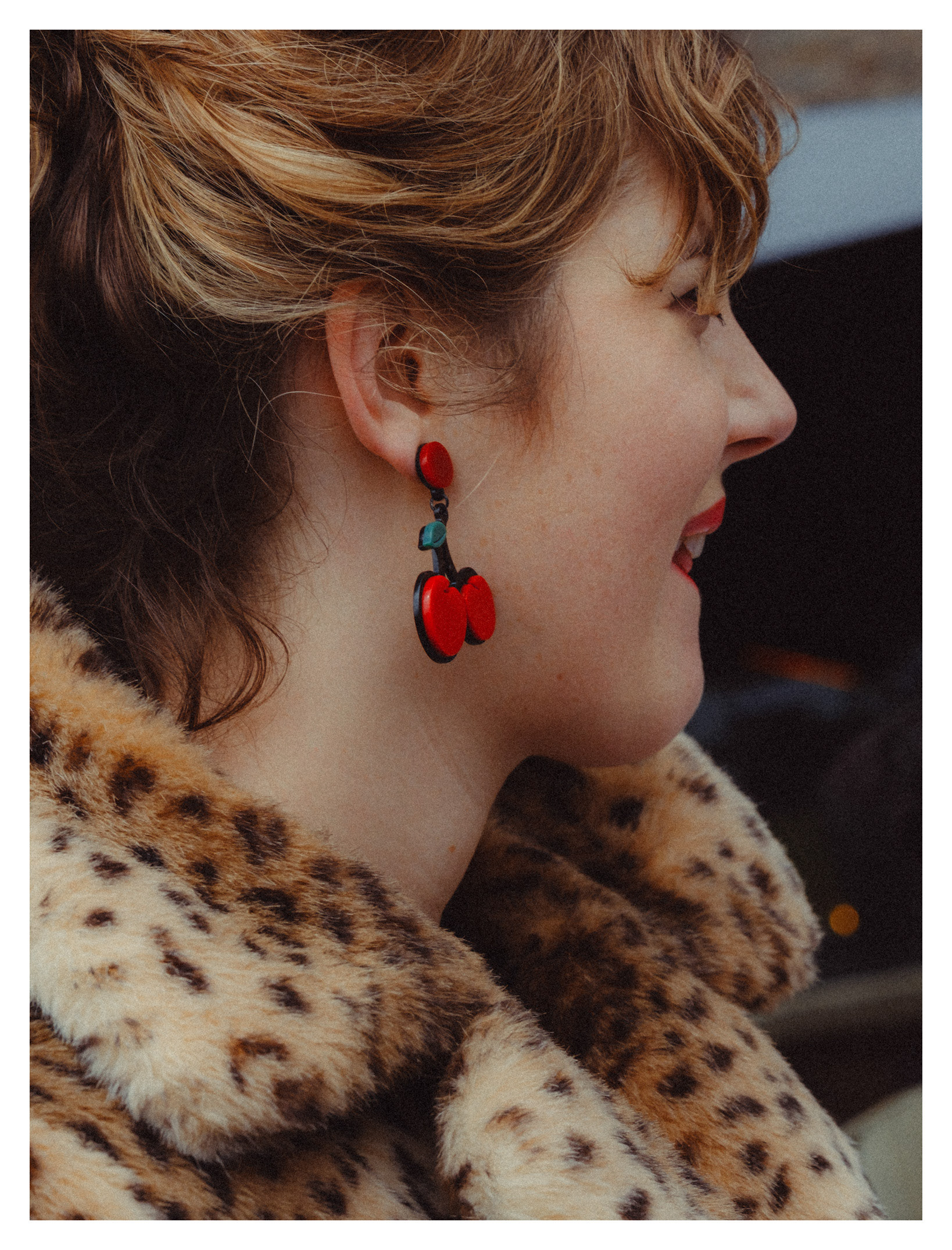
I go through stages whereby I thoroughly enjoy zoning in on the small details of life and I appreciate the work of others who do the same. Slender fingers raising a smoking cigarette to their mouth, the turn of a high heel or on this occasion, a pair of cherry earrings.
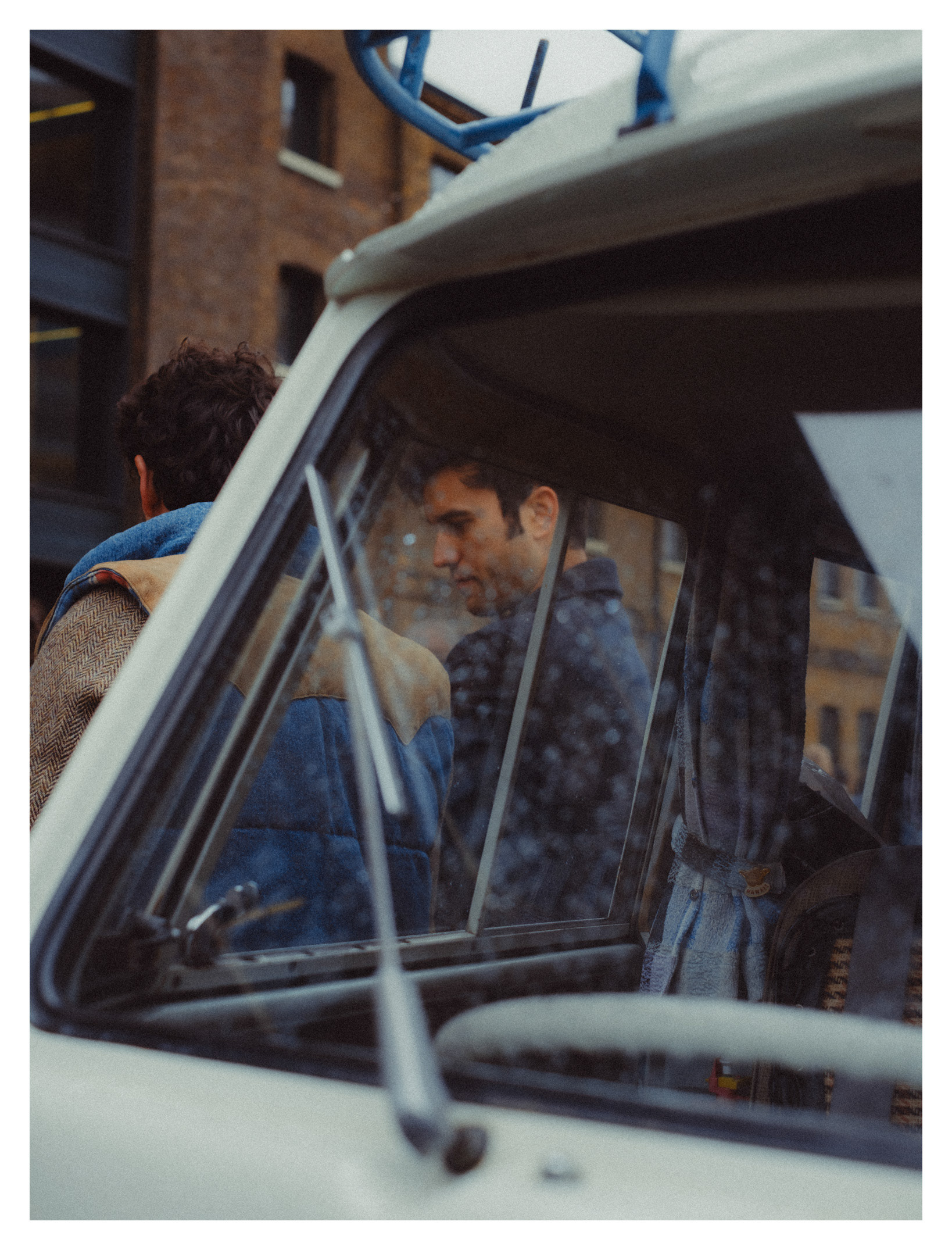
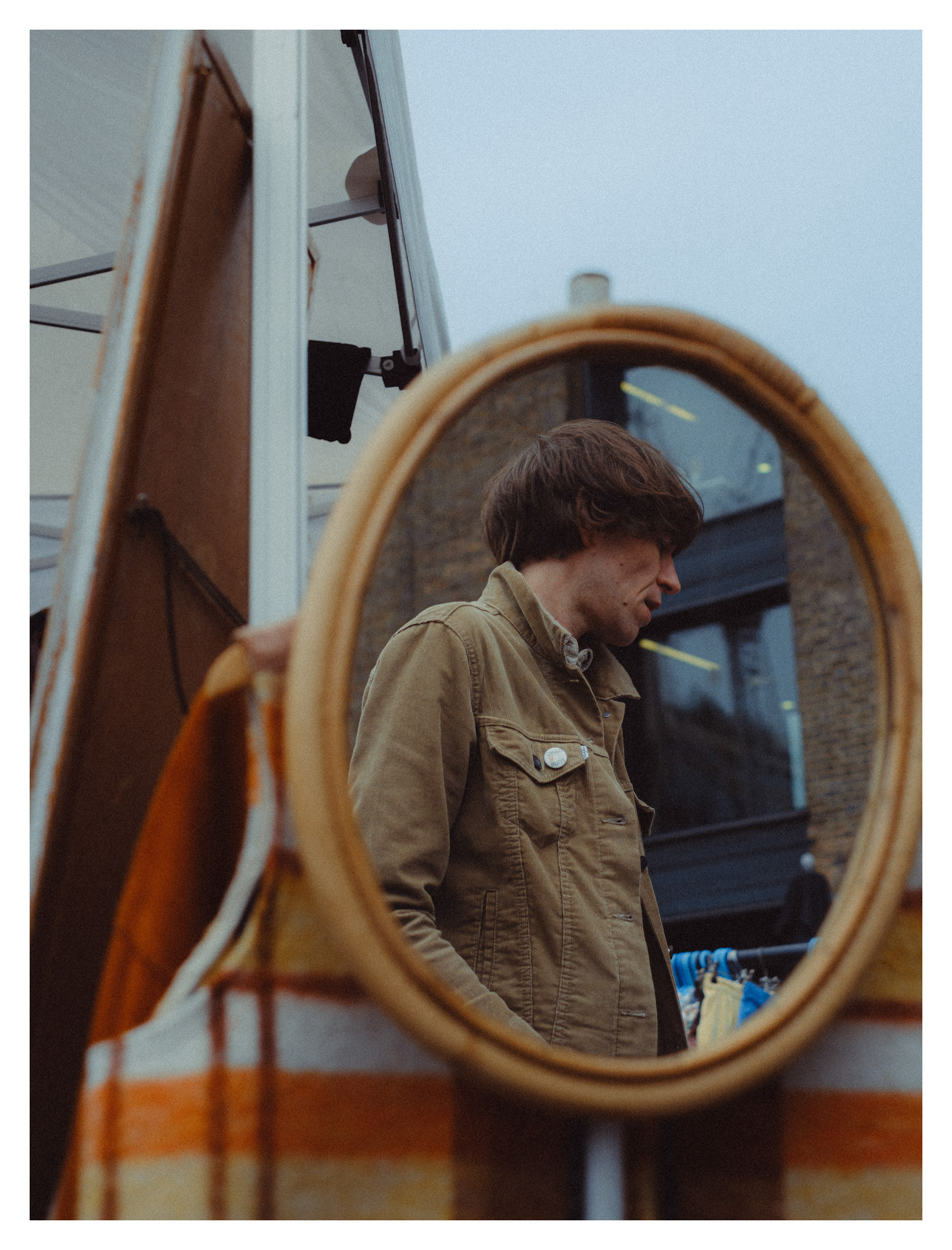
What I landed on was a balance — capturing the overall atmosphere while not losing the small details that give it life. I often find myself drawn to those quieter moments: slender fingers raising a cigarette, the turn of a high heel, or in this case, a pair of cherry earrings. This setting offered endless opportunities for that kind of observation, while still allowing space for wider storytelling.
Some projects are built over time, revisited again and again. Others are brief, but still accessible. What makes something like this different is its limitation: it exists only for a short window each year before disappearing again. That kind of constraint can work against you, creating pressure and rushed decisions. Or, as I hope is the case with Time Warp, it can sharpen your focus - pushing you to create images that feel honest, considered, and ultimately worthwhile.
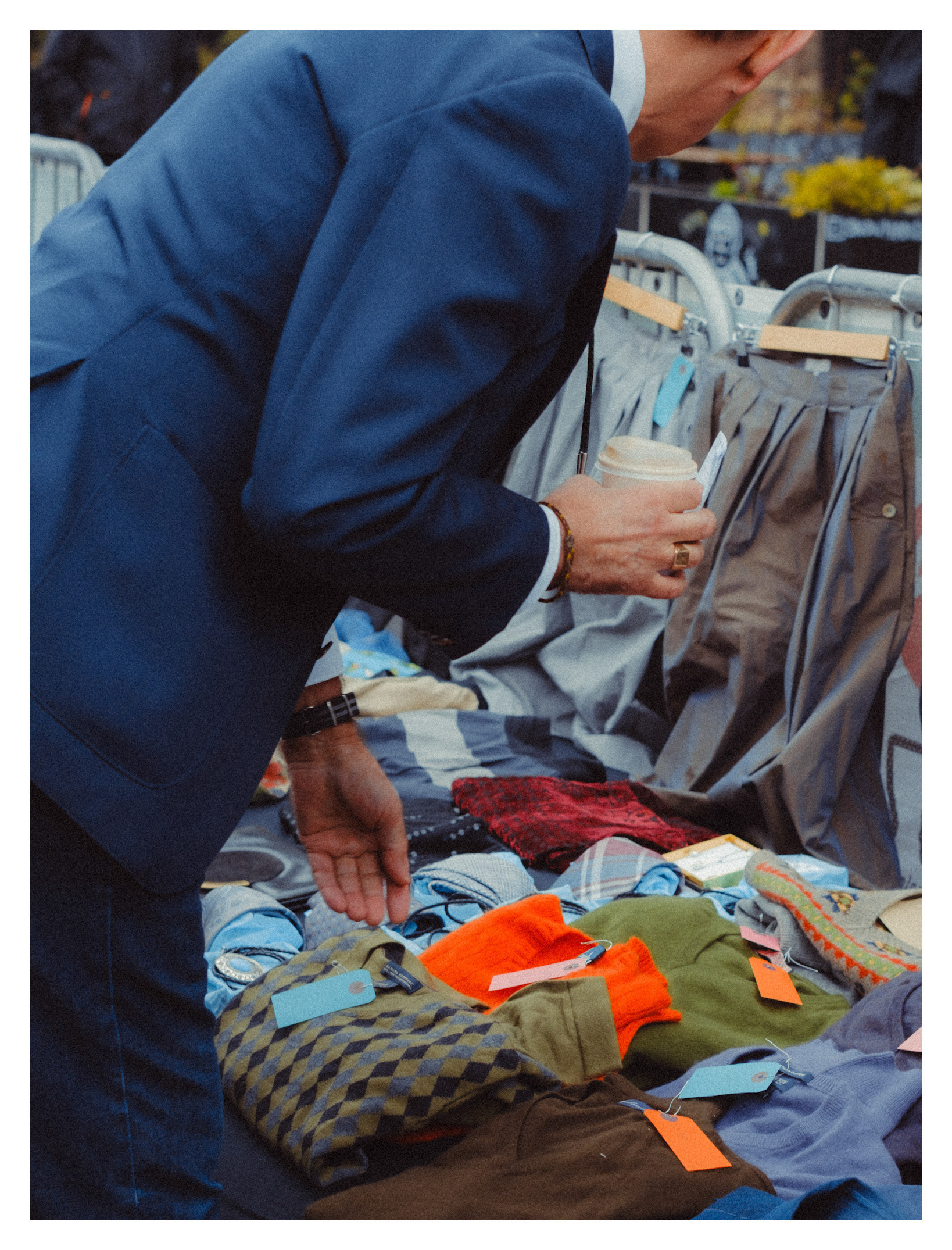
Looking back through the images, I realised how much the environment influenced not just what I shot, but how I shot it. There’s a tendency in street photography to chase moments, to move quickly and react instinctively. But here, the pace felt a little different. Slower. More deliberate and considered. I found myself waiting more, observing longer and letting scenes unfold rather than forcing them or being too reactive. In a setting that celebrates the past, it felt right to approach it with a bit more patience.
But what struck me most was how interesting it was to photograph a place that is, in its very nature, a play. A construction of a time. It's not the past - not really. Yet the emotion, the character and the individuality within is without a doubt authentic. That juxtaposition became part of the project. So much of what street photography is about is its authenticity and yet here is something that sits between authentic and theatre and as a result shaped the way the images were created.